
The psychology behind gambling Understanding the mind's gamble
The Allure of Gambling
The psychological appeal of gambling is rooted in a mix of thrill, anticipation, and the possibility of winning. Many players experience a rush of excitement as they engage in games of chance, which can trigger the release of dopamine—a neurotransmitter associated with pleasure. This feeling can create a cycle where the individual seeks out gambling experiences repeatedly, hoping to replicate that initial high. Additionally, exploring new online casinos can enhance this thrill by providing numerous options for gameplay.

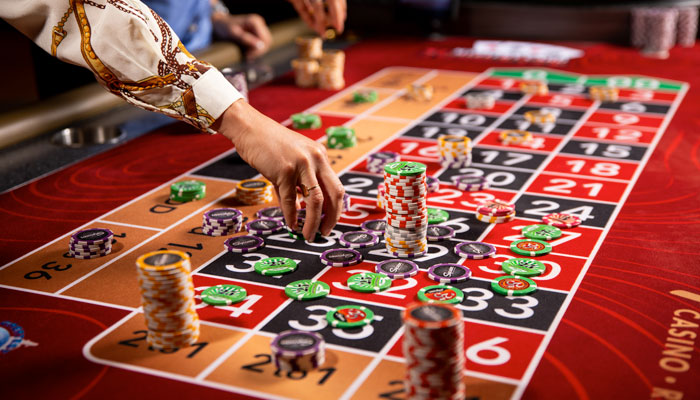
This allure is often exacerbated by the environment in which gambling occurs. Casinos and online platforms are designed to be visually stimulating and immersive, drawing players into a world where risks seem more manageable. The bright lights, sounds of winnings, and the hustle and bustle of fellow gamblers all contribute to an atmosphere that encourages participation.
Myths and Misconceptions
Many misconceptions surround gambling, often leading individuals to misunderstand the probabilities involved. One common myth is that past outcomes can influence future results, such as believing a slot machine is “due” for a win after a series of losses. This misconception, known as the gambler’s fallacy, can lead players to make irrational decisions and continue gambling despite unfavorable odds.
Another pervasive myth is the idea that skill can significantly impact games of chance, like roulette or slots. While some games involve elements of strategy, many are based purely on luck. Understanding these misconceptions is crucial for promoting responsible gambling and ensuring individuals approach gaming with realistic expectations.
Emotional and Social Influences
The emotional state of a gambler can greatly affect their behavior. People often gamble to escape negative feelings or cope with stress, leading to a dangerous cycle where gambling is used as a coping mechanism. This emotional reliance can escalate into problem gambling, affecting one’s mental health and relationships.
Social influences also play a significant role in gambling behaviors. Peer pressure, societal norms, and cultural attitudes towards gambling can shape an individual’s willingness to participate. In environments where gambling is celebrated or normalized, individuals may feel compelled to join in, further complicating the relationship between gambling and social dynamics.
The Role of Reinforcement
Reinforcement is a key concept in understanding why individuals continue to gamble despite potential losses. Variable ratio reinforcement, where rewards are given at unpredictable intervals, keeps players engaged. This unpredictability makes the prospect of winning even more enticing, as players are conditioned to believe that a win could be just around the corner.
This psychological strategy is often harnessed by casino operators to maximize player retention. By creating an environment that rewards players sporadically, they instill a sense of hope and anticipation that keeps individuals returning, often at the expense of their financial well-being.
Exploring Online Gambling Resources
For individuals seeking to understand more about gambling behaviors, various online resources can provide valuable insights. Many platforms offer guides on responsible gambling, myths debunked, and ways to approach gaming safely. These resources aim to empower players, enabling them to enjoy gaming without falling prey to harmful behaviors.
Additionally, websites dedicated to online gambling often present curated lists of reputable casinos, ensuring players can access safe and secure platforms. By offering detailed guides and support systems, these resources help create a more informed gambling experience, fostering enjoyment while promoting responsibility.
Leave A Comment