
The cultural significance of gambling throughout history
The Origins of Gambling
Gambling has roots that stretch back to ancient civilizations, where it served various functions beyond mere entertainment. Archaeological findings suggest that games of chance were played in Mesopotamia around 3000 BC, often linked to rituals or divination practices. The act of placing bets was not just about the thrill of winning; it was intertwined with cultural beliefs and social structures. Such early forms of gambling laid the foundation for complex gaming systems that would evolve over the centuries, much like enjoying online pokies today.
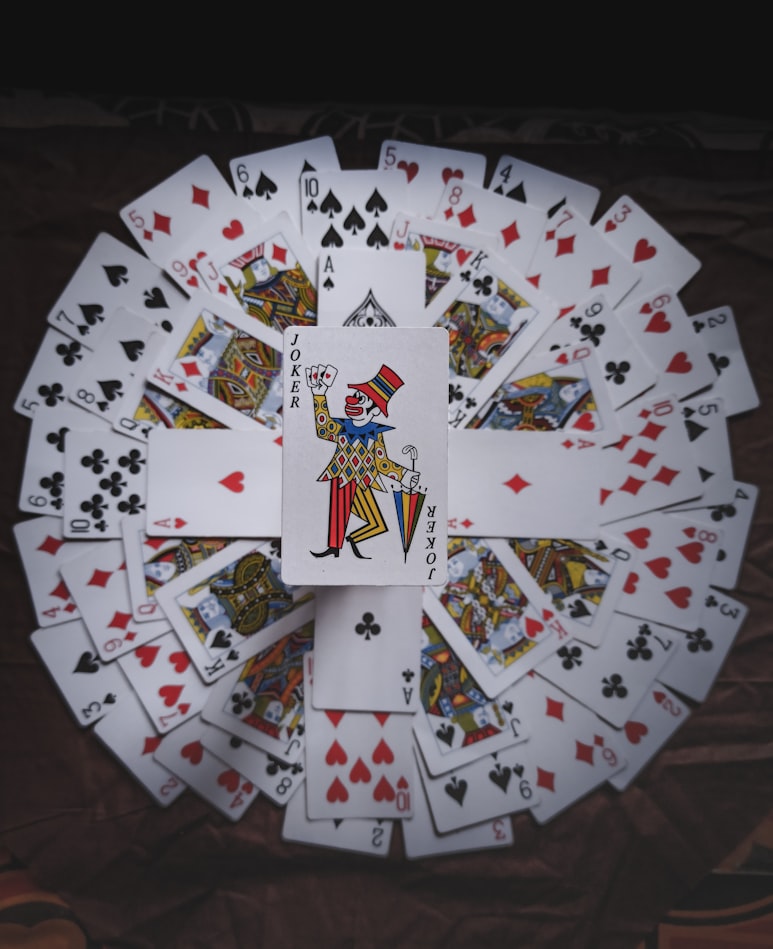
In ancient China, the use of gambling tools, such as dice and betting slips, can be traced back to the Shang Dynasty, further highlighting its significance in early society. These early forms of gambling were deeply embedded in community activities, where they fostered social interactions and helped to define status within groups. This early connection between gambling, community, and spirituality reflects its enduring role in human culture.
Gambling in Ancient Civilizations
The significance of gambling was particularly pronounced in ancient Rome and Greece, where it became a popular pastime among citizens. Romans organized elaborate games and betting events, often connected to chariot races and gladiatorial contests. These occasions served not only as entertainment but also as public displays of wealth and power, enhancing the social fabric of Roman society.
In Greece, the Olympic Games introduced a new dimension to gambling, allowing spectators to bet on athletes. This connection between sports and betting has had a lasting impact on the way societies perceive competitive events. The Greeks viewed gambling as a reflection of fate and fortune, embedding it into their mythology and philosophical discussions, further solidifying its cultural importance.
The Influence of Religion and Morality
Throughout history, gambling has often faced scrutiny from religious and moral perspectives. Many religious texts warned against the vices associated with gambling, framing it as a temptation leading to moral decay. Despite this, many cultures found ways to reconcile their beliefs with the practice of gambling, often integrating it into religious festivities.
In the Middle Ages, gambling was occasionally sanctioned by the Church during celebrations, illustrating the complex relationship between gambling and morality. This duality reflects the broader cultural significance of gambling as both a source of joy and a potential moral hazard, shaping societal views on chance and luck over centuries.
Modern Gambling and Cultural Identity
As society evolved, so did the forms of gambling, reflecting cultural shifts and technological advancements. The emergence of casinos in the 17th century marked a significant turning point, as they became centers of social interaction and leisure. In many cultures, casinos began to symbolize sophistication and prestige, altering perceptions of gambling from mere vice to a form of entertainment.
Today, gambling has become an integral aspect of global culture, with online gaming platforms revolutionizing accessibility. This shift has allowed gambling to adapt to contemporary lifestyles, further embedding it into cultural identities. From poker nights to online betting, gambling continues to evolve, reflecting societal changes while retaining its historical significance.
Exploring Online Gambling Culture
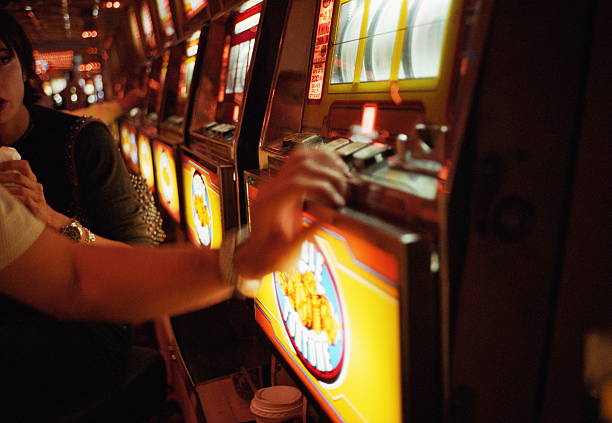
In today’s digital age, online gambling has emerged as a major player in the gaming industry, impacting cultural attitudes towards gambling. The rise of online platforms has democratized access, allowing people from diverse backgrounds to participate in various forms of gambling. This inclusivity has fostered a new wave of social engagement, with online communities forming around shared interests in gaming.
Moreover, online gambling websites often promote responsible gaming practices, reflecting a growing awareness of the potential pitfalls associated with gambling. As players navigate this vibrant virtual landscape, they also engage with cultural narratives surrounding risk, reward, and personal responsibility. This dynamic environment showcases the continuing evolution of gambling’s cultural significance in the modern world.
Leave A Comment